
-
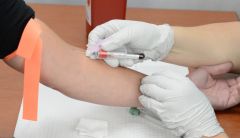 PHSU135 - Blood Sampling: Blood Collection via Peripheral Venipuncture (Online)$10.00This course requires a prerequisite, Blood Sampling: General Concepts.
This interactive, narrated, self-paced online course focuses on collecting a blood sample via peripheral venipuncture, with an emphasis on the home care patient. In addition, extra information is added for blood sampling for the pediatric patient. Topics include
- Peripheral vein selection and distension
- Peripheral venipuncture techniques
- Appropriate blood collection equipment selection
- Troubleshooting and potential complications
-
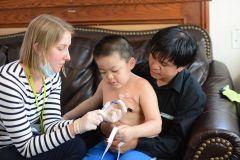 PHSU136 - Blood Sampling: Blood Collection via Vascular Access Device$10.00
This course requires a prerequisite, Blood Sampling: General Concepts.
This interactive, narrated, self-paced online course focuses on central venous access device blood collection techniques, with an emphasis on the home care patient. In addition, extra information is added for blood sampling for the pediatric patient.
An optional, in-classroom lab for hands-on time is available at Pediatric Home Service in Roseville, MN. You must enroll in the lab if you want to attend. Select this link for more information.
Learn More -
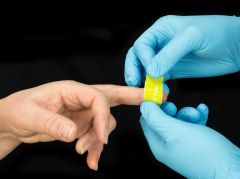 PHSU137 - Blood Sampling: Capillary Blood Collection$10.00
This course requires a prerequisite, Blood Sampling: General Concepts.
This interactive, narrated, self-paced online course focuses on capillary (fingerstick, heelstick) blood collection techniques, with an emphasis on the home care patient. In addition, extra information is added for capillary blood collection for the pediatric patient.
An optional, in-classroom lab for hands-on time is available at Pediatric Home Service in Roseville, MN. You must enroll in the lab if you want to attend. Select this link for more information.
Learn More -
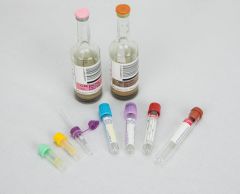 PHSU138 - Blood Sampling: General Concepts$10.00
This course requires a prerequisite, Blood Sampling: General Concepts.
This interactive, narrated, self-paced online course focuses on capillary (fingerstick, heelstick) blood collection techniques, with an emphasis on the home care patient. In addition, extra information is added for capillary blood collection for the pediatric patient.
An optional, in-classroom lab for hands-on time is available at Pediatric Home Service in Roseville, MN. You must enroll in the lab if you want to attend. Select this link for more information.
Learn More -
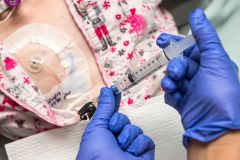 PHSU140 - Caring for an Implanted Port$30.00
This interactive, narrated, self-paced online course focuses on how to care for adult and pediatric patients with an implanted port. There is an emphasis on the home care environment. Topics include:
- Implanted port basics
- Preparing for accessing an implanted port
- Accessing and deaccessing an implanted port
- Care and maintenance of an implanted port
- Troubleshooting
-
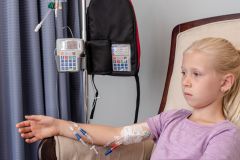 PHSU145 - Inotropic Therapy$30.00
This interactive online course focuses on general IV therapy concepts. In addition, extra information is added for providing infusion therapy for the home infusion and pediatric patient. The course is designed to provide practical information and tools for the hands-on clinical nurse. Topics include:
- Heart failure
- Inotropic therapy
- Inotropic administration general guidelines
- Milrinone administration
- Caring for a Milrinone patient
- Care of the central venous access device (CVAD)
- Patient and caregiver education
-
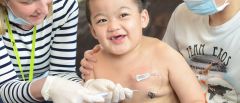 PHSU146 - IV Basics$30.00
This interactive online course focuses on general IV therapy concepts. In addition, extra information is added for providing infusion therapy for the home infusion and pediatric patient. The course is designed to provide practical information and tools for the hands-on clinical nurse. Topics include:
- Common IV therapies
- Basic venous anatomy
- Peripheral venous access devices (short peripheral catheters, midline catheters)
- Central venous access devices (PICC, tunneled catheters, non-tunneled catheters, implanted ports)
- IV delivery methods
- Catheter assessment and maintenance
- Complications and troubleshooting strategies based on Infusion Nursing Society (INC) Standards of Practice.
- Patient and caregiver education
- Patient scenarios